
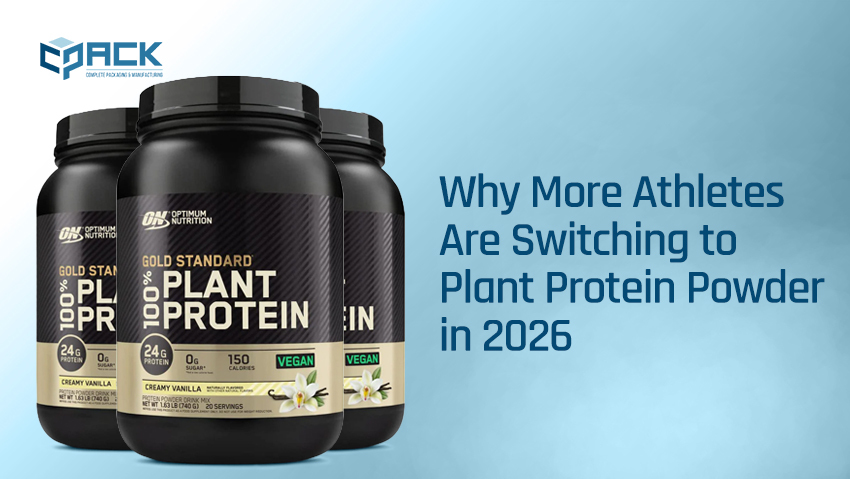
Plant protein is no longer the “backup option.”
In 2026, it’s the main character.
Athletes are not just experimenting with plant-based protein powder. They’re switching. Not because it’s trendy. But because it performs.
Scroll through fitness forums. Check Amazon best-sellers. Watch what elite trainers recommend. The shift from whey to plant protein powder is real, and it’s accelerating.
For supplement brands, this isn’t just interesting.
It’s an opportunity knocking.
Why the Athletes Are Reconsidering Whey?
Now, that’s what comes to mind when I saw the trend shift. For years, whey protein dominated the sports nutrition category. It was fast-digesting, high in leucine, and easy to formulate. But cracks started to show.
Many athletes report:
- Bloating after shakes
- Dairy sensitivity
- Acne concerns
- Digestive discomfort
- Sustainability objections
Lactose intolerance is more common than people realize. Even those who tolerate whey sometimes experience inflammation or GI distress during high training cycles.
At the same time, athletes are becoming more label-aware. They want fewer artificial sweeteners. Cleaner sourcing. And transparent manufacturing.
In short, performance nutrition is evolving. And plant protein stepped up.
Can Plant Protein Actually Build Muscle?
Let’s address the elephant in the gym. Can plant protein powder support muscle growth like whey?
Yes, but only when formulated correctly.
Muscle protein synthesis (MPS) depends on essential amino acids, especially leucine. Research consistently shows that hitting the leucine threshold (around 2–3g per serving) is key for stimulating MPS.
Modern plant blends are engineered to do exactly that. Pea protein is naturally rich in BCAAs. Rice protein complements its amino acid gaps. When combined, they create a complete amino acid profile.
Today’s high-quality pea + rice blends rival whey in supporting strength, hypertrophy, and recovery.
The difference isn’t plant vs whey. It’s formulation quality.
That’s where experienced powder supplement manufacturers make or break a product.
Performance, Recovery & Gut Comfort
Here’s what athletes actually care about:
- Faster recovery
- Lean muscle retention
- No bloating
- Easy digestion
- Smooth mixability
Plant protein scores high on gut comfort. Many athletes report less heaviness post-workout compared to whey.
That matters during competition prep. Or during two-a-day training blocks. And in 2026, gut health is no longer niche. It’s a mainstream performance strategy.
Plant protein also aligns with anti-inflammatory dietary approaches. For endurance athletes especially, that’s a big deal.
But here’s the catch. Not all plant protein powders are created equal.
Particle size, blending accuracy, sourcing consistency, and flavor masking all impact performance and consumer experience.
That’s why brands partnering with an experienced plant protein manufacturer gain a competitive edge. Precision blending and GMP-certified production aren’t optional anymore.
They’re table stakes.
The 2026 Shift: Plant Protein Is Now Performance Nutrition
Plant protein used to be boxed into one category: vegan.
Not anymore.
In 2026, plant protein powder sits firmly in the performance nutrition space.
Why?
Because the athlete demographic is changing. We’re seeing growth in:
- Flexitarian athletes
- Sustainability-conscious consumers
- Clean-label shoppers
- Dairy-sensitive lifters
- Hybrid training communities
Athletes are reading ingredient lists. They care about environmental impact. They want products that align with both performance and personal values.
This is not hype. It’s a category shift.
Industry forecasts continue to project steady growth in plant-based sports nutrition through 2026 and beyond. Retailers are expanding shelf space. DTC brands are launching plant-first SKUs.
Plant protein is no longer “alternative.” Call it mandatory or strategic.
Plant Protein vs Whey in 2026: The Real Conversation
The debate is no longer emotional. It’s practical.
Whey advantages:
- Naturally high leucine
- Rapid absorption
- Established market trust
Plant protein advantages:
- Dairy-free
- Easier digestion
- Allergen-friendly
- Sustainable sourcing
- Expanding flavor innovation
For many athletes, it’s not about replacing whey entirely. It’s about rotation.
Some use plant protein daily and whey occasionally. While others switch fully during cutting phases or intense training cycles. From a brand perspective, that creates space for diversified protein portfolios.
And that’s where opportunity lives.
What This Means for Supplement Brands
So, this is where the real game begins. If you’re launching or scaling a supplement brand in 2026, ignoring plant protein is risky.
Search trends for:
- “plant protein vs whey”
- “best plant protein for athletes”
- “pea rice protein blend benefits”
- “dairy-free protein powder for muscle gain”
…continue to rise.
Retail buyers are watching the data. Consumers are asking questions. Online communities are debating formulations. That’s demand.
Smart brands are responding with:
- Private label plant protein SKUs
- Custom amino-optimized blends
- Performance-focused branding
- Sustainable packaging formats
- Clean-label positioning
Partnering with a reliable manufacturer like Cpack Manufacturing allows brands to move fast without sacrificing quality. Instead of building infrastructure from scratch, you get:
- GMP-certified facilities
- Powder blending expertise
- Flavor development support
- Scalable production capacity
- Compliance guidance
That shortens the time to market. And in 2026, speed matters.
Private Label vs Custom Plant Protein: What’s Smarter?
Here’s the play.
If you’re testing market demand, a private label is efficient. You launch faster. You validate positioning. You reduce upfront R&D costs.
But if you want differentiation, custom formulation wins. You can adjust amino ratios. Add digestive enzymes. Include adaptogens. Build a true performance blend.
Both models work.
The key is choosing a manufacturing partner that supports both pathways. Through private label and custom powder supplement manufacturing solutions, brands can:
- Develop pea + rice blends
- Explore pumpkin or hemp additions
- Optimize for texture and solubility
- Align with clean-label claims
- Select tubs or eco-friendly pouch formats
That flexibility supports both emerging startups and established fitness brands.
How to Launch a Plant Protein SKU in 2026
Let’s keep this practical. If you’re planning to enter the plant protein category, focus on five essentials:
- Niche Positioning: Are you targeting endurance athletes? Strength lifters? Women’s performance? Vegan bodybuilders? Specificity converts.
- Amino Profile Transparency: Educated consumers check labels. Highlight essential amino acids and BCAAs.
- Flavor Innovation: Plant protein used to struggle with taste. Not anymore. Modern masking systems deliver smooth chocolate, vanilla, and even gourmet profiles.
- Packaging Strategy: Sustainable & eco-friendly packaging is becoming a purchase driver. Pouches reduce plastic use. Clean designs improve retail conversion.
- Regulatory Compliance: Labels must meet regulatory standards set by authorities like the Food and Drug Administration. Claims must be substantiated. Testing must be documented.
Working with an experienced supplement manufacturing partner simplifies compliance and production complexity.
That reduces friction. And friction kills launches.
Why Early Movers Win
Here’s the truth.
Plant protein is not replacing whey overnight. But it is capturing serious market share in performance nutrition.
Brands that wait for “perfect timing” often enter crowded spaces. Brands that move early establish authority. In 2026, plant protein powder is still expanding. That means white space.
And white space means growth. Consumers are actively searching for:
- dairy-free muscle-building protein
- plant-based protein for athletes
- sustainable protein powder brands
- private label plant protein manufacturer
When your brand shows up with a science-backed, clean-label product, you win trust.
And trust converts.
The Bottom Line
Athletes are switching to plant protein powder because it aligns with performance, digestion, and values. The science supports it. The market confirms it. The demand is visible.
For supplement brands, this shift isn’t just interesting.
It’s strategic.
Get yourself a trusted partner who lets you capitalize on the plant-based performance movement with confidence. High-quality formulation. Scalable production. Private label flexibility.
That’s how you turn trends into revenue.
Frequently Asked Questions
Yes, when properly formulated. Blends like pea and rice provide a complete amino acid profile and can meet the leucine thresholds required for muscle protein synthesis.
Common reasons include digestive comfort, dairy sensitivity, sustainability concerns, and clean-label preferences.
Pea + rice blends are widely used due to complementary amino acid profiles. Custom blends may also include pumpkin or hemp protein.
Yes. Partnering with an experienced manufacturer streamlines formulation, production, compliance, and packaging.
Yes. Plant-based sports nutrition continues to expand as flexitarian and performance-focused consumers drive demand.